
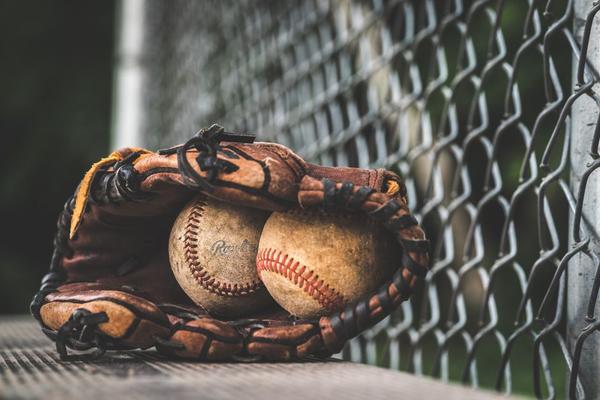
Shopping for a new glove in 2026 is less about chasing the flashiest colorway and more about matching the glove to the player. A shortstop needs quick transfers, an outfielder needs reach, and a young travel-ball player needs a glove that closes comfortably. The best baseball gloves to buy in 2026 balance leather quality, fit, pocket design, break-in time, and price.
This Buying Guide covers dependable options for youth players, infielders, outfielders, catchers, and families preparing for fall travel-ball season. The selections also reflect the position-specific patterns and pro-style features commonly associated with MLB-level Baseball equipment.
Best Baseball Gloves to Buy in 2026
Wilson 2026 A2000 1786 11.5-Inch: Best Overall Infield Glove
The Wilson A2000 1786 is one of the safest choices for middle infielders who want a glove that can stay in the lineup for several seasons. Its 11.5-inch pattern is compact enough for fast exchanges at shortstop and second base, while offering enough pocket depth for hard ground balls and backhands. Wilson’s 2026 Classics version uses Pro Stock leather and the familiar 1786 infield shape. It feels firm when new, but that structure rewards players who complete a proper break-in.
Rawlings Heart of the Hide R2G 11.5-Inch: Best for Faster Break-In
Players who want premium leather without waiting weeks for a glove to become usable should consider the Rawlings Heart of the Hide R2G. This 11.5-inch infield model uses top-grade steerhide, pro-grade laces, and a pocket designed to support quick transfers. Rawlings gives its R2G models additional factory break-in, making them easier to close than traditional Heart of the Hide gloves. It is a strong option for a player replacing a glove shortly before tryouts or tournament play.
Wilson 2026 A2K 1810SS 12.75-Inch: Best Premium Outfield Glove
For outfielders who want maximum reach and a premium build, the Wilson A2K 1810SS stands out. Its 12.75-inch length suits center field and corner outfield positions, while the wider pinky stall supports the two-in-the-pinky grip many advanced players use to create a deeper pocket. The model combines Pro Stock Select leather with lightweight SuperSkin materials. It is expensive, but committed players get a secure pocket, quality construction, and an MLB-style feel.
Mizuno MVP Prime 11.75-Inch: Best Value for Versatile Players
The Mizuno MVP Prime 11.75-inch glove is a smart middle-ground choice for players who want better leather without entering the highest price tier. Its Bio Soft leather balances softness with control, and Mizuno’s center-pocket pattern positions the pocket naturally under the index finger. At 11.75 inches, it can work for third base, pitcher, or a multi-position player who needs more reach than a classic 11.5-inch glove. The friendly break-in and dependable feel make it excellent value for league or travel use.
Rawlings R9 ContoUR 11-Inch: Best Youth Baseball Glove
The Rawlings R9 ContoUR 11-inch glove is built for younger players developing their infield skills. Its smaller hand opening and youth-oriented fit help prevent the glove from sliding, while the softer construction makes it easier to squeeze closed. It suits players who have outgrown an entry-level glove but are not ready for a heavy adult model. Parents should test the closure before buying: the player should be able to shut the glove without using the throwing hand.
Rawlings R9 32-Inch Catcher’s Mitt: Best for Youth Catchers
Catching requires a specialized mitt, and the Rawlings R9 32-inch model offers a manageable step into the position. It is designed for youth players and provides the rounded shape, padding, and pocket needed to receive pitches and control balls in the dirt. A 32-inch mitt is easier for many developing catchers to handle than an oversized adult model, making this a practical balance of protection, usability, and cost.
Baseball Glove Sizing Guide
Glove size should follow both age and position. Infield gloves are usually smaller with shallower pockets for faster transfers, while outfield gloves are larger and deeper for added reach and ball security. Wilson’s current baseball glove sizing guidance places adult infield gloves around 11 to 12 inches and adult outfield gloves around 12.5 to 12.75 inches. Youth sizing varies more widely by age and position.
Do not automatically buy a larger glove so a child can grow into it. A glove that feels heavy or slips off the wrist can make routine catches harder. The player should be able to close it, control the pocket, and move the glove naturally.
What to Look for Before Buying
Leather and Break-In
Premium steerhide and pro-grade leather generally provide better durability and shape retention, but they require more work at the beginning. Softer leather is easier for youth players and anyone who needs a game-ready feel. Choose according to playing level rather than prestige.
Pocket and Web Design
Middle infielders usually benefit from a shallower pocket and open web. Pitchers often prefer a closed web to hide their grip, while outfielders need a deeper pocket. Catchers and first basemen require position-specific mitts. Any useful infield glove buying guide should begin with position, not brand.
Fit and Throwing Hand
A right-handed thrower wears the glove on the left hand, while a left-handed thrower wears it on the right. Beyond that basic choice, check the wrist opening, finger-stall length, and how easily the player can close the glove. Good Gear Reviews should treat fit as seriously as leather quality.
Frequently Asked Questions
What Is the Best Baseball Glove Brand in 2026?
Wilson and Rawlings remain leading choices, while Mizuno and Marucci also offer excellent gloves. The best brand depends on fit, position, preferred leather feel, and budget rather than the logo alone.
What Size Glove Should an Infielder Use?
Most teenage and adult infielders use gloves between 11 and 12 inches. Shortstops and second basemen often prefer 11.25 or 11.5 inches, while third basemen may choose 11.75 or 12 inches for extra reach.
How Much Should I Spend on a Youth Baseball Glove?
Beginners do not need a professional-level model. Spend enough to get a secure youth fit, an easy close, and dependable durability. A well-fitted midrange glove is usually better than an expensive adult glove the child cannot control.
How Long Does It Take to Break In a Baseball Glove?
Game-ready youth gloves may need only several catch sessions, while premium leather gloves can require weeks of consistent work. Playing catch and shaping the pocket by hand are safer than using extreme heat or soaking the leather.
Final Verdict
The Wilson A2000 1786 is the strongest overall infield choice, the Rawlings Heart of the Hide R2G is ideal for a faster break-in, and the Wilson A2K 1810SS leads the premium outfield glove reviews. The Mizuno MVP Prime delivers excellent value, while Rawlings R9 models give youth players more manageable fits.
The best purchase is the glove that matches the player’s hand, position, and commitment level. Choose the fit first, then compare leather, pocket design, and break-in time. That approach will deliver better results than simply buying the most expensive glove on the shelf.