
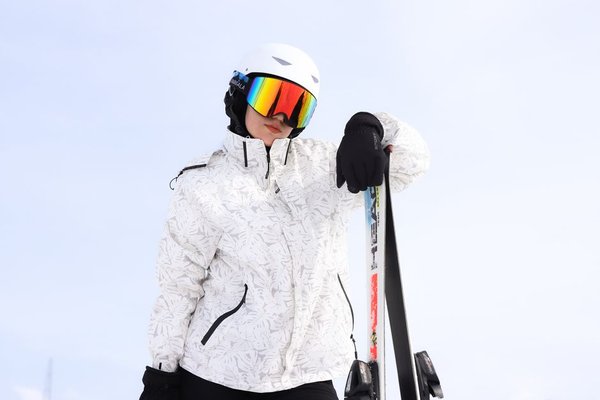
The snow can look completely different from one run to the next. Under blue skies, reflected sunshine feels dazzling; when clouds settle in, the same slope can become a nearly featureless sheet of white. Choosing ski goggles lens colors for those conditions is about more than style. The right tint can make glare more comfortable to manage and help you pick out changes in the terrain.
Start with VLT, not the color name
Ski goggle VLT means visible light transmission: the percentage of visible light passing through a lens. A 10% VLT lens is dark, while a 60% lens lets considerably more light reach your eyes. Manufacturers publish this figure because the color seen from the outside does not reliably reveal how dark a lens actually is.
VLT also describes brightness, not the entire visual experience. Base tint, coatings and contrast-enhancing technology affect how snow textures appear. A mirrored blue lens, for example, might have a brown or rose base and be designed for sunny rather than cloudy weather.
Which VLT range suits each condition?
Bright, sunny slopes: roughly 5–20% VLT
Low-transmission lenses reduce intense light on clear days, especially at altitude or on reflective spring snow. Smoke, grey and dark bronze options commonly fit here. Very dark lenses are a poor choice when cloud cover suddenly flattens the view.
Mixed sun and cloud: roughly 20–40% VLT
This middle range works for many resort days, making it an appealing compromise if you own only one lens. It handles changing brightness better than a deep sun tint, although it cannot match a dedicated storm lens in heavy overcast.
Overcast skies and snowfall: roughly 40–70% VLT
Higher transmission helps when the available daylight drops. Many rose, amber and yellow snow goggle lenses sit in this territory, although the exact specification varies by model. For very dark storms, some lenses transmit even more light.
Night skiing: often 80% VLT or higher
Clear lenses are generally the straightforward option under artificial slope lighting. They preserve available light while providing a physical barrier against wind and snow. Do not assume an ordinary dark daytime lens will work safely after sunset.
Ski goggle lens colors compared
Black, smoke and grey
These tend to keep colors relatively neutral while cutting down brightness. They are dependable choices for bluebird conditions, but the darkest versions can obscure dips and ridges in shade. Look for the published VLT rather than judging by how opaque the lens appears.
Brown, bronze and copper
Warm base tints can make contrast on snowy terrain feel more defined, particularly when sunlight alternates with shadows. Dark bronze may be a sun lens; lighter copper can suit variable light. Two similarly named lenses can have very different VLT figures.
Rose, pink and red
Rose and pink are popular for cloudy afternoons because they can help separate subtle changes in a mostly white landscape. Yet an outward-facing red mirror may cover a much darker base lens. If you want flat light ski goggles, examine the base tint and VLT before buying.
Yellow, gold and amber
Light yellow and amber tints are familiar storm-day choices. They allow more available light through and can improve perceived definition when the sky and snow seem to merge. A reflective gold finish, however, may be intended for bright sunshine rather than poor visibility.
Blue and green
These names are particularly misleading because they may describe a mirror coating, not the color you actually look through. One blue-mirrored lens might suit sunshine while another works in mixed conditions. Compare product specifications instead of assigning a weather category by color alone.
Clear
Clear lenses are useful for night sessions and very low-light situations, but they do little to control daytime glare. They also do not automatically improve snow contrast. Even a transparent lens should be checked for adequate UV protection.
What works when the light changes mid-run?
Imagine starting on a bright, open ridge with a 12% VLT lens, then dropping into a tree-lined run as thick clouds arrive. The tint that felt comfortable at the summit may make shadowed bumps difficult to read. If terrain detail disappears, slow down and stop somewhere safe before considering a lens change.
For resorts where weather moves quickly, a versatile mid-VLT lens helps, but two lenses offer more coverage. Keep a darker option for clear mornings and a lighter rose or yellow option for stormy afternoons. Change lenses in a sheltered spot and avoid touching the inner anti-fog coating.
One lens, two lenses or photochromic?
If you mostly ski in sunshine, select a low-VLT lens suited to those conditions. If overcast days are common, prioritize a higher VLT instead. A two-lens goggle system is often the most flexible arrangement: one sun lens and one low-light lens designed for the same frame.
Photochromic lenses adjust their darkness as lighting changes, but their stated VLT range matters. Some do not become light enough for severe flat light, and transitions may not keep pace with every sudden change. Compare their minimum and maximum VLT figures with the conditions you actually ski.
Check more than tint before buying
A useful goggle lens must also fit your face and helmet without gaps or pressure points. Choose proven UV protection, effective ventilation and an anti-fog design. Lens shape and peripheral vision matter when checking other skiers, while scratches or condensation can defeat the benefits of a carefully chosen tint.
For a wider equipment check, pair this decision with a ski helmet fit guide and tips for preventing goggle fog. Your ability to read terrain also depends on technique: learning how to ski safely in flat light is just as useful as choosing a brighter lens.
Frequently asked questions
What is the best ski goggle lens color for all conditions?
No color works equally well everywhere. A medium-VLT lens is a practical compromise for mixed weather, but a dark sun lens and a lighter storm lens cover a broader range. Compare percentages before deciding.
Are yellow lenses better for flat light?
Light yellow lenses are often helpful because they transmit plenty of light and may make subtle contrast easier to notice. Rose and amber options can work well too. None can restore missing depth cues in a genuine whiteout.
Do mirrored ski goggles mean darker lenses?
Not always. A mirror coating may reduce some reflections, but the full lens construction determines VLT. Check the maker’s number and recommended conditions rather than relying on the appearance of the mirror.
Can I use clear goggles on a sunny day?
You may retain UV protection if the lens is appropriately rated, but clear goggles provide little relief from intense visible glare. A suitable sun tint is usually more comfortable and helps you keep your eyes open and attentive.
Choose for the light you actually ski in
The most reliable way to compare ski goggles lens colors is to start with VLT, then consider how each tint renders snow texture. Choose for your usual conditions, carry a lighter backup when possible, and never treat a lens as a substitute for slowing down when visibility deteriorates.