
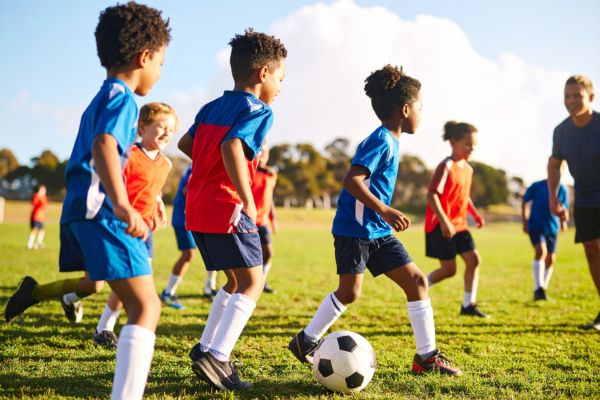
Getting kids into sports can feel surprisingly complicated. On one hand, everyone seems to agree that physical activity is good for children. On the other, convincing a child to lace up their shoes and commit to a sport is not always easy. Screens compete for attention, schedules are packed, and not every child is naturally drawn to competition.
Learning how to get kids into sports is less about pushing them onto a field and more about creating the right environment. When sports feel enjoyable, welcoming, and pressure-free, children are far more likely to engage and stick with them. This guide takes a realistic, parent-centered look at how to make that happen.
Understanding Why Sports Matter Beyond Fitness
Sports are often framed as a way to keep kids healthy, but the benefits go well beyond physical fitness. Team activities teach cooperation, communication, and resilience in a way few other experiences can. Even individual sports help children learn focus, patience, and self-motivation.
Just as importantly, sports give kids a chance to explore who they are outside the classroom. Some children discover confidence they did not know they had. Others find friendships that grow stronger through shared practices and game days. When parents understand these deeper benefits, it becomes easier to approach sports as a long-term life skill rather than a short-term activity.
Starting with Curiosity Instead of Pressure
One of the most common mistakes parents make when thinking about how to get kids into sports is starting with expectations. Children sense pressure quickly, and it often backfires. Instead of deciding which sport your child “should” play, begin with curiosity.
Ask open-ended questions about what they enjoy. Do they like running, throwing, swimming, or dancing? Are they drawn to group activities or more independent pursuits? These conversations can happen casually, during car rides or after school, without turning into a serious discussion. When kids feel heard, they are more willing to try something new.
Letting Kids Try Before They Commit
Many children resist sports because the idea of a long season feels overwhelming. Practices, uniforms, and competitions can sound like a lot, especially if they have never played before. Offering low-commitment opportunities can make a big difference.
Short clinics, school-based programs, or community recreation leagues allow kids to sample a sport without feeling locked in. This trial period helps them understand what the sport actually involves. It also sends a clear message that it is okay to explore and change their mind, which reduces anxiety and builds confidence.
Making Fun the Priority, Especially Early On
Fun is not a bonus; it is the foundation. For younger kids especially, enjoyment should outweigh skill development or winning. When sports become too serious too soon, children often lose interest.
Pay attention to how your child feels after practices and games. Are they smiling, laughing, and talking about what they did? Or are they tense and quiet? These cues matter. If a sport consistently feels stressful, it may not be the right fit right now. Learning how to get kids into sports often means knowing when to step back and adjust rather than pushing forward.
Being a Supportive Presence, Not a Sideline Coach
Parents play a powerful role in shaping a child’s sports experience, sometimes without realizing it. Encouragement and interest are helpful, but constant instruction can be overwhelming. Most kids already receive guidance from coaches. What they often need from parents is emotional support.
Simple comments like “I loved watching you play” or “You worked really hard today” reinforce effort rather than outcomes. Avoid analyzing mistakes immediately after a game. Car rides home should feel safe and relaxed, not like a post-game interview. When children associate sports with positive interactions, they are more likely to stay engaged.
Normalizing Struggle and Slow Progress
Every child faces challenges when learning a sport. They may not be the fastest, strongest, or most coordinated at first. This can be discouraging, especially if they compare themselves to others.
Helping kids understand that improvement takes time is an important part of how to get kids into sports. Share stories of athletes who struggled early or remind them of skills they learned slowly in other areas. When setbacks are treated as normal rather than failures, kids learn resilience and are less likely to quit at the first sign of difficulty.
Allowing Interests to Change Over Time
Children grow and change, and so do their interests. A sport that excites them at age six may lose its appeal at age ten. This does not mean they are giving up or lacking commitment. It often means they are learning more about themselves.
Creating space for change shows children that their preferences matter. It also prevents burnout. Some kids thrive when they focus on one sport, while others enjoy rotating through different activities across seasons. Both paths are valid. The goal is sustained enjoyment and movement, not rigid loyalty to a single sport.
Addressing Common Barriers with Empathy
Sometimes resistance to sports comes from specific concerns. A child might feel embarrassed about their skill level, anxious about competition, or uncomfortable in group settings. These feelings are real and deserve attention.
Instead of dismissing fears, acknowledge them. Talk through what makes them uncomfortable and explore possible solutions together. This might mean choosing a less competitive league, starting with a friend, or trying an individual sport. Understanding how to get kids into sports includes recognizing emotional barriers and responding with patience.
Modeling an Active Lifestyle at Home
Children learn as much from what parents do as from what they say. When physical activity is a normal part of family life, sports feel less intimidating. This does not require parents to be athletes. Simple habits like walking, biking, or playing casual games together can have a big impact.
Shared activity also reframes movement as enjoyable rather than obligatory. When kids see adults choosing to be active for fun or stress relief, they are more likely to view sports as a positive part of life rather than another responsibility.
Focusing on the Long View
It is easy to get caught up in short-term goals, such as making a team or winning games. While these moments can be exciting, they should not overshadow the bigger picture. Sports are one chapter in a child’s development, not a defining measure of success.
Keeping a long-term perspective helps parents make calmer, more supportive decisions. It reminds everyone involved that the true value of sports lies in the experiences, lessons, and memories formed along the way.
A Thoughtful Ending to the Journey
Learning how to get kids into sports is rarely a straight path. It involves listening, adjusting, and sometimes letting go of expectations. There will be moments of excitement and moments of doubt, and that is perfectly normal.
When sports are introduced with patience and respect for a child’s individuality, they become more than just an activity. They become a space where kids can explore their abilities, build confidence, and discover joy in movement. In the end, the most successful approach is not about pushing children into sports, but about inviting them in and walking alongside them as they find their way.