
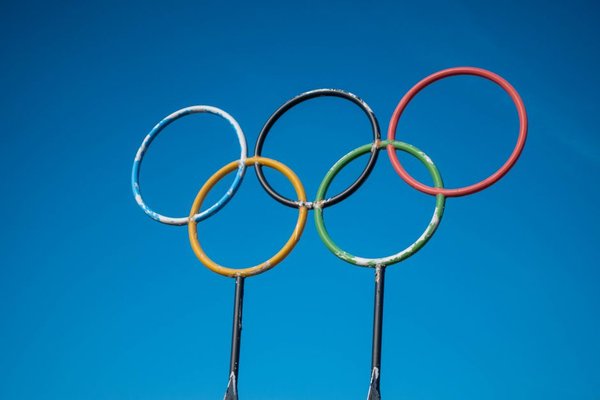
The Olympic Games can feel like dozens of championships happening at once. Swimming may be awarding medals while basketball is still in group play and athletics has not yet reached its finals. The simplest way to understand the Games is to stop thinking of them as one tournament. Instead, picture a host-city festival made up of many separate sports, each with its own qualification rules, competition format and medal events.
The International Olympic Committee, or IOC, sets the overall framework for each edition, while international sports federations govern the technical rules of their sports. Athletes qualify through systems such as world rankings, continental events, qualifying tournaments and performance standards. National Olympic Committees then enter eligible athletes.
Summer and Winter Games Are Separate Editions
The Olympic Games are divided into Summer and Winter editions. Each is held on a four-year cycle, with the two editions staggered so fans normally see an Olympic Games every two years. The Winter Games focus on snow and ice disciplines, while the Summer Games cover a wider range of indoor, outdoor, water and field sports.
The programme can also change from one edition to another. For Los Angeles 2028, for example, the IOC approved baseball/softball, cricket in the T20 format, flag football, lacrosse sixes and squash as additional sports. That is a useful reminder that the Olympic programme is not a permanently fixed list.
Sport, Discipline and Event Do Not Mean the Same Thing
One of the most confusing parts of the Olympic Games format is the language used to describe competitions. A sport is the broad category. A discipline is a branch within a sport. An event is the specific competition that produces an official result and, normally, a set of Olympic medals.
Aquatics is a good example. It includes disciplines such as swimming, diving, water polo and artistic swimming. Within swimming, individual events include races such as the men’s 100-meter freestyle or women’s 200-meter butterfly. Once you understand that hierarchy, the schedule becomes much easier to read.
How Athletes Reach the Olympics
There is no single universal Olympic qualifying tournament. Qualification is largely sport-specific. International federations develop the pathways for their sports in coordination with the IOC, and those systems can vary considerably.
A runner might qualify through a performance standard or world ranking, while a basketball team can earn a place through international tournaments. Other sports use continental quotas, world championships or dedicated qualifiers. Host-country places can also apply in some sports.
Being a national champion does not automatically guarantee an Olympic place. Athletes generally have to satisfy the international qualification system as well as their National Olympic Committee’s selection requirements. A useful companion topic is how Olympic qualification works.
Why Olympic Events Use Different Formats
Olympic events are not forced into one competition model. The format depends on the sport. Some events are decided by a single race or final. Others begin with heats, pools, qualifying rounds or group stages before moving to knockout competition.
Track events can progress from heats to semifinals and finals. Team sports often use group play followed by elimination rounds. Combat sports may use brackets and repechage systems. Gymnastics and diving rely on judged routines, while golf uses accumulated scores over several rounds.
To follow an unfamiliar event, learn three things before watching: how athletes advance, what determines the winner and when the medal round takes place. Once those points are clear, the schedule becomes much easier to understand.
How Olympic Medals Are Awarded
Every medal event produces an official classification. In the standard case, first place receives gold, second receives silver and third receives bronze. The sport’s rules determine how those places are decided, and some events have special structures. Certain combat sports, for example, can award two bronze medals because of their bracket and repechage formats.
Medal tables group those results by National Olympic Committee. They are a popular way to follow the Games, but the Olympics do not use one universal points system that declares an overall country champion. Different publishers may display or sort medal tables differently. Readers who want more detail can also explore Olympic medal table rules.
What U.S. Fans Should Know Before Watching
For U.S. viewers, time zones can shape the experience almost as much as the sport. An Olympics held in Europe or Asia may place finals in the U.S. morning, afternoon or overnight hours. The official competition schedule is therefore more useful than relying only on a prime-time television listing.
A practical approach is to choose a few priority sports, note their medal sessions and then build the rest of your viewing around them. If you are following swimming, for example, check whether a session contains heats, semifinals or finals; the same athlete may appear in the same event across multiple sessions.
Competition can also begin before the opening ceremony because some tournaments need extra days. The ceremony formally celebrates the start of the Games, but it does not always mark the first athletic action. An Olympic sports guide can be useful when you want to compare schedules and formats across disciplines.
Who Runs What at the Games?
The IOC is the guardian of the Olympic Games and sets the overarching framework. The local organizing committee stages the edition in the host region. International federations oversee technical rules for their sports, while National Olympic Committees manage national delegations and athlete entries.
The Games are organized as one global event, but the competitions retain the specialist rules and officiating systems of their individual sports.
Frequently Asked Questions
How often are the Olympic Games held?
The Summer Olympic Games and Winter Olympic Games are each held every four years. Because their cycles are staggered, an Olympic Games normally takes place every two years.
What is the difference between an Olympic sport and an Olympic event?
A sport is the broad competition category, while an event is a specific medal contest within a sport or discipline. Swimming is a discipline within aquatics, for example, while the 100-meter freestyle is an event.
Does every Olympic sport appear at every Games?
No. Summer and Winter programmes are different, and the programme can evolve by edition. The IOC can approve changes to sports and events, including additional sports for a particular host edition.
How many medals can an athlete win?
There is no single overall limit. Athletes who qualify for multiple medal events can potentially win medals in several of them, which is why some swimmers, gymnasts and other multi-event athletes can leave one Games with multiple medals.
A Simple Way to Understand the Olympics
The Olympic Games make more sense once you view them as a collection of separately structured competitions inside one global event. Sports contain disciplines, disciplines contain medal events, and each event follows rules created for that sport. Athletes reach the Games through qualification systems, advance through event-specific formats and compete for medals based on official final classifications.
You do not need to memorize hundreds of events. Learn the sport-discipline-event hierarchy, check how a competition advances and identify when its medal session occurs. With that framework, even a packed Olympic schedule becomes much easier to follow.